We settle consent with the tenant before the appointment is set — and, on request, switch on the feature that removes the furnishings digitally from the finished tour. The original always stays viewable.
CHF 0.—
All on request, at no extra charge.
For a property manager, the occupied flat being relet is the least comfortable part of the mandate. The property has to go into the listing, the tenant still lives there, and nobody is quite sure whether photography is simply allowed. We have a fixed process for this — not because it is complicated, but so that it no longer has to be discussed.
An AI feature from Matterport removes the furnishings digitally from the entire walkable tour — not just from a single image. Walls, floors, ceilings and built-ins stay put; the flat reads as empty as at handover, not like a bare shell.
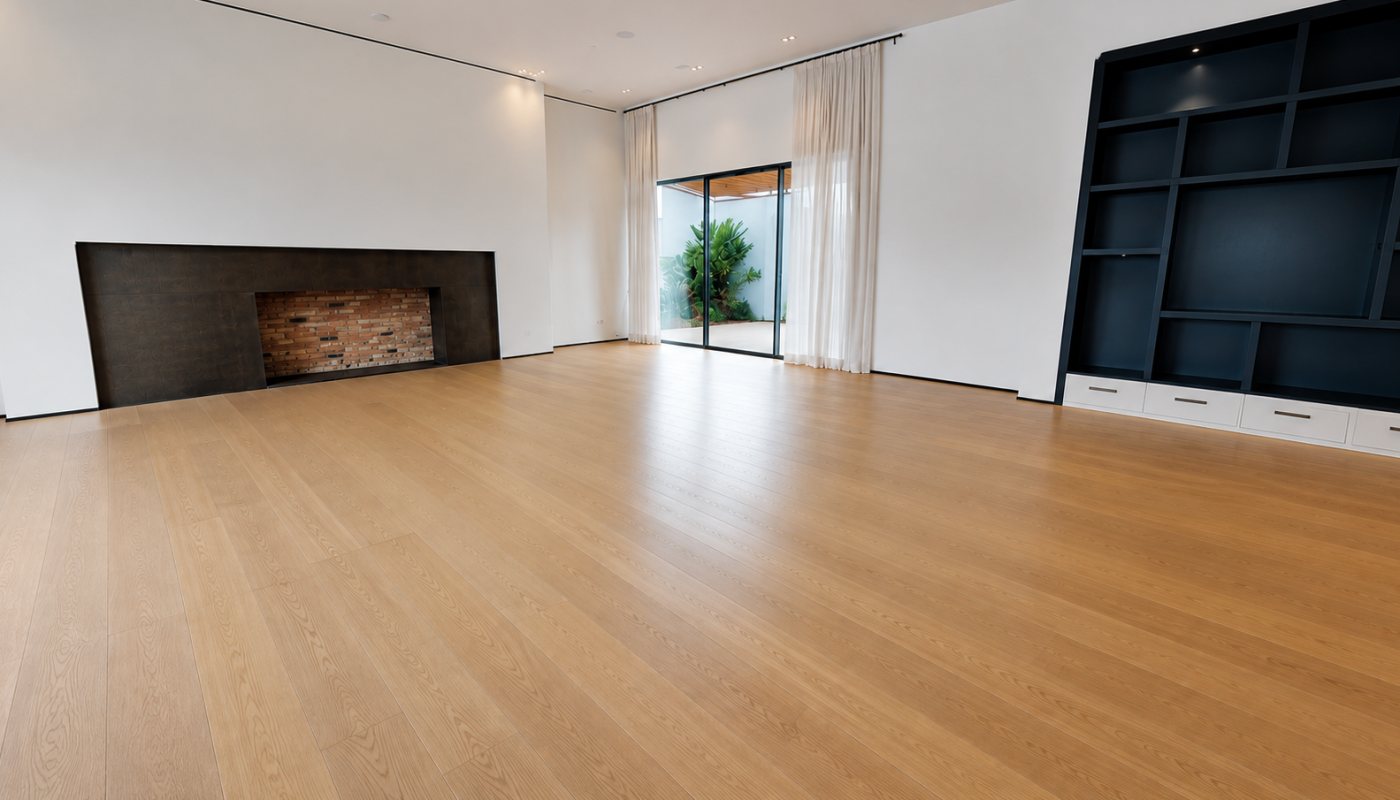
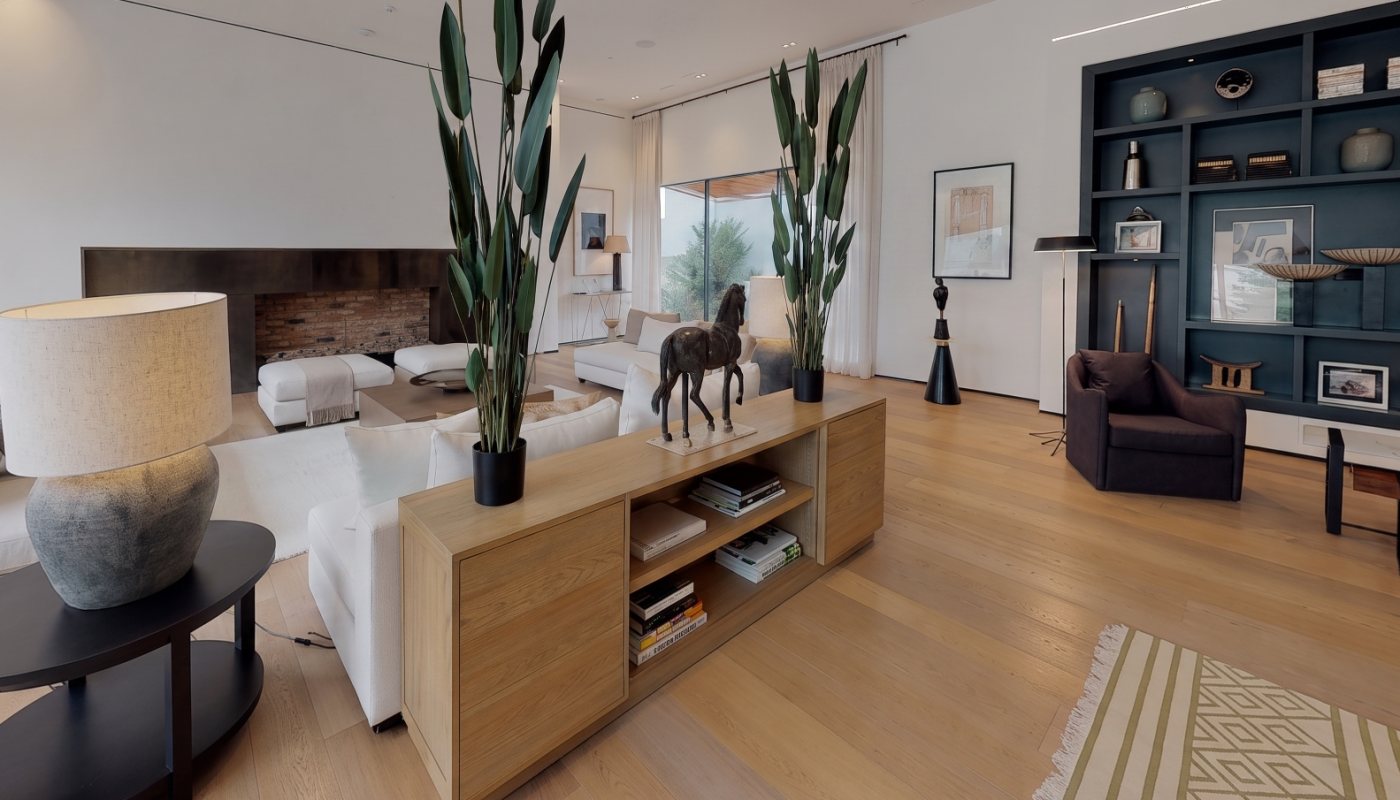
What lies under rugs or behind furniture was never seen by the camera — the AI fills those areas in. There, the empty view can differ from the real condition, and the fuller the flat, the bigger the difference. For the actual condition of floors and walls, the original furnished view always applies.
Both views live in the same 3D tour — one click switches between them, included in every package, at no extra cost.
For you that means one contact, one appointment, and the consent question settled before anyone unpacks a camera.
Because the Swiss position is not settled — and a clean process costs less than a dispute.
The relevant provision is Art. 257h CO, the tenant's duty of toleration, in the original German: „Der Mieter muss dem Vermieter gestatten, die Sache zu besichtigen, soweit dies für den Unterhalt, den Verkauf oder die Wiedervermietung notwendig ist.“ The word is besichtigen — to view. Not to photograph, film, or scan. The duty of toleration covers access to the flat; it says nothing about what may be recorded there or published. There is no dedicated photography law; the question runs through Article 28 of the Civil Code and data-protection law. How often and with how much notice viewings may take place is covered in Viewings of a rented flat.
The Swiss Tenants' Association holds that a landlord may not photograph the flat against the tenant's will, and states that items may be covered or moved out of shot. Legal commentary treats flat photos as the tenant's personal data; narrowly scoped documentation shots, of a damp patch for instance, are judged differently.
Two things worth knowing: there is no Swiss court ruling on this yet — the question is open. And most search results on this are German (GDPR, BGB) and do not apply here; what governs is the revised Data Protection Act, Article 28 of the Civil Code, and the Code of Obligations.
Which is exactly why we keep the fixed process: while the question stays open, consent is the only answer that holds up in every case. The full breakdown with sources is in the guide Photos in Occupied Rental Flats.
Then nothing is scanned and nothing is photographed — and no floor plan is produced either. Our floor plans come from the flat's 3D scan, not from a separate survey; without consent to the tour there is no dimensional data to draw one from. The listing still stays workable:
Once consent is given or the flat is vacant, we complete 3D tour, photography and floor plan together in one appointment — all three come from the same 360° scan. Where it can be arranged, the slot between two tenancies is the best one anyway: no consent question, no one else's furniture in frame, free choice of time of day.
The process above is not an add-on and costs nothing extra. It is part of every mandate involving an occupied property.
If you market relettings and tenant changes regularly, we take over communication with tenants entirely on request — you give us the contact details and the window, we come back once the appointment is set. For ongoing cooperation across several properties a month there are framework agreements with volume tiers; the terms are on the pricing page.
Swiss law does not answer this directly. Art. 257h para. 2 of the Code of Obligations obliges the tenant to allow a viewing where necessary for maintenance, sale or reletting. It says nothing about photography. The Swiss Tenants' Association holds that a landlord may not photograph the flat against the tenant's will, and legal commentary reaches the same conclusion for listing photos of furnished rooms. No Swiss court decision on the point is known. RoomView360 therefore works with written consent as a matter of course.
At least 48 hours, in writing, stating date, time window, purpose and the name of the person attending. Not on Sundays or public holidays, and at a reasonable time of day. The statute requires only timely notice (Art. 257h para. 3 CO) and names no number of hours; 24 to 48 hours is treated as standard in practice, and many standard-form leases specify 48 hours. We usually plan 3 to 5 working days ahead, so the tenant can sign consent and clear personal items first.
They are moved or covered before capture: photographs, documents, post, medication, children's drawings. According to the Swiss Tenants' Association the tenant may request this in any case — and the result is a better image, because the room shows rather than the furnishings. Anything still in shot can be blurred afterwards, in the photos and in the 3D tour. In the tour a blur cannot be undone: without reprocessing the scan, it stays.
Then nothing is scanned and nothing is photographed — and no floor plan is produced either. Our floor plans come from the flat's 3D scan, not from a separate survey; without consent to the tour there is no dimensional data to draw one from. The listing still stays workable with exterior shots and a written description. Once consent is given or the flat is vacant, we complete the tour, photography and floor plan together in one appointment.
Yes. An AI feature from Matterport removes the furnishings digitally from the entire walkable tour, not only from single images. Both views sit in the same tour under the same link; the viewer switches with one click, and on request the tour opens in the empty view — but per Matterport's own documentation the original furnished view cannot be permanently hidden, only its display order. Walls, floors, ceilings and built-ins remain. The AI fills in areas under rugs or behind furniture; there, the empty view can differ from the real condition, the fuller the flat, the more likely. This is included in every package at no extra charge. Important: it solves the presentation, not the consent — the capture records the furnished flat, so without the tenant's consent nothing is scanned in the first place.
There is no Swiss source addressing 3D capture of occupied flats. Factually a 3D tour records the entire interior and therefore more than a single photograph. We treat 3D capture like photography, only more strictly: no consent, no scan.
Describe your property. We respond the same business day with a fixed-price quote and a proposed shoot date. No call centres, no sales pressure.